

The digital marketplace is expanding faster than ever, and mobile commerce is leading the charge. Every successful brand today understands that having an engaging, reliable, and scalable eCommerce app is no longer optional — it’s essential. Partnering with the right eCommerce app development company can make all the difference in turning your business goals into a high-performing digital experience.
In this article, we’ll explore why investing in eCommerce app development services is critical, what types of eCommerce applications exist, the technologies that power them, and how to estimate your eCommerce app development cost.
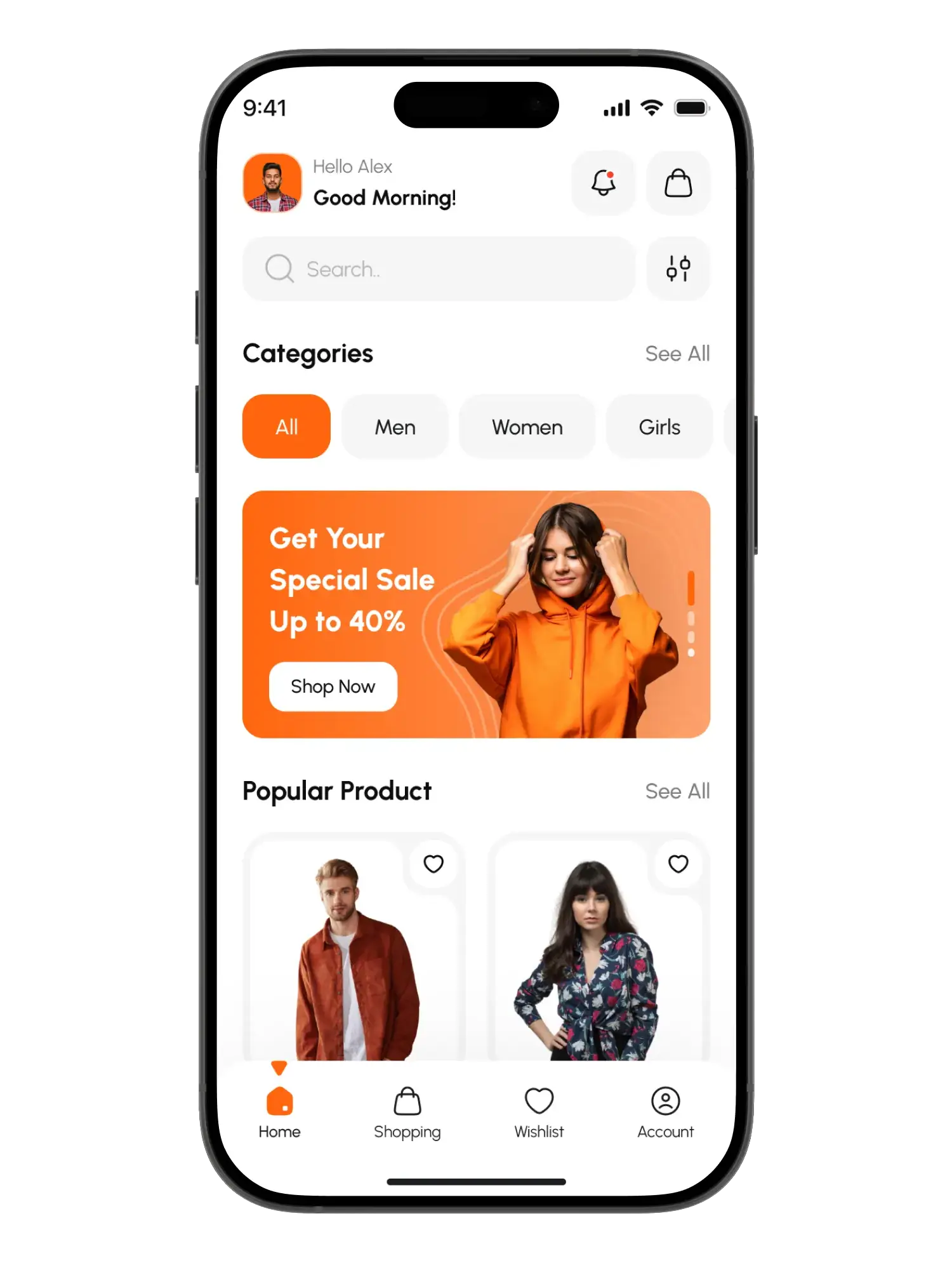
Why Businesses Need Professional eCommerce App Development Services
1. Enhanced Customer Experience
Customers now expect convenience, speed, and personalization in their shopping journey. A professional eCommerce application development company ensures your app provides intuitive navigation, seamless checkout, and personalized recommendations that drive engagement and sales.
From real-time inventory updates to secure payment gateways, the goal is to create an app that’s both user-friendly and business-driven.
2. Mobile-First Shopping Revolution
With over 70% of eCommerce traffic now coming from mobile devices, investing in eCommerce app development services helps businesses reach customers where they shop most.
A custom app offers faster load times, offline access, and push notifications — all of which lead to higher conversion rates and better retention.
3. Competitive Advantage
An expertly developed app not only enhances user satisfaction but also strengthens brand credibility. Whether it’s AI-driven product suggestions or voice-assisted shopping, innovative features from a skilled eCommerce app development company help you stay ahead of competitors.
Understanding the Different Types of eCommerce Applications
Not all eCommerce apps are the same. Depending on your business model and audience, your app should be designed to support specific functionalities.
1. Business-to-Consumer (B2C) eCommerce Apps
This is the most common type, connecting businesses directly with end customers. Examples include Amazon, Flipkart, and Nike’s online store. These apps focus on ease of purchase, product recommendations, and seamless checkout.
2. Business-to-Business (B2B) eCommerce Apps
Ideal for wholesalers or distributors, B2B apps facilitate large-volume orders, tiered pricing, and contract management. They focus more on workflow automation and integration with enterprise systems like ERP and CRM.
3. Consumer-to-Consumer (C2C) eCommerce Apps
Platforms like eBay or OLX enable individuals to buy and sell products directly. These require strong security features and payment integration to ensure safe transactions.
4. Subscription-Based eCommerce Apps
Popular among digital services, food delivery, and SaaS providers, these apps enable recurring billing and customer retention through subscriptions.
Each type of eCommerce application demands specific backend systems, UX design strategies, and marketing integrations — which a professional eCommerce app development company can expertly implement.
Technologies Used in eCommerce App Development
1. Front-End Development Technologies
Creating a visually appealing and responsive interface is vital.
Common front-end technologies include:
- React Native and Flutter for cross-platform apps
- Swift (for iOS) and Kotlin (for Android) for native development
- HTML5, CSS3, and JavaScript frameworks for hybrid apps
These ensure your app looks great and performs flawlessly on any device.
2. Back-End Development and Server Technologies
The backend is the backbone of any eCommerce application. It manages product databases, user accounts, payments, and orders.
Popular backend technologies include:
- Node.js, Python (Django/Flask), and Java (Spring Boot)
- PHP (Laravel) for robust and scalable performance
- Cloud servers such as AWS, Azure, or Google Cloud for storage and hosting
3. Database and Security Technologies
A secure and high-speed database keeps your app reliable.
Developers use:
- MySQL, MongoDB, or PostgreSQL for efficient data handling
- SSL encryption, OAuth 2.0, and multi-factor authentication for customer data security
4. Advanced Technologies for Modern eCommerce
Modern eCommerce app development services now integrate cutting-edge innovations:
- AI & Machine Learning: Personalized recommendations and chatbots
- AR/VR: Virtual try-on or product visualization
- Blockchain: Secure and transparent transactions
- IoT: Smart inventory and logistics management
These technologies enhance customer satisfaction and operational efficiency.
Factors Influencing eCommerce App Development Cost
The eCommerce app development cost depends on various factors, such as:
1. App Complexity
Basic apps with limited features cost less, while advanced apps with AI, AR, or custom APIs require higher investment.
2. Platform Choice
Developing for a single platform (Android or iOS) is cheaper than building a cross-platform app that runs on both.
3. Design and UX Requirements
Custom design, animations, and personalized user flows increase development hours and costs.
4. Features and Integrations
Integrating payment gateways, product management systems, and customer analytics tools can influence pricing.
5. Maintenance and Upgrades
Post-launch support, bug fixes, and regular updates also factor into the total eCommerce app development cost.
While costs vary widely, partnering with an experienced eCommerce application development company ensures that your investment translates into long-term value and scalability.
Benefits of Hiring a Professional eCommerce App Development Company
1. Tailored Business Solutions
Every business is unique. A top-tier eCommerce app development company crafts solutions that align with your business goals, customer base, and market strategy.
2. Faster Time-to-Market
With agile development methodologies and ready-to-integrate modules, you can launch your eCommerce app quickly and efficiently.
3. Ongoing Support and Optimization
Professional developers offer continuous updates, performance monitoring, and feature enhancements to keep your app competitive.
4. Scalable Architecture
Future growth requires flexibility. Expert developers design apps that can easily scale with your expanding product catalog or customer base.
Choosing the Right eCommerce App Development Partner
When evaluating potential partners, look for a eCommerce mobile app development company with:
- Proven experience in diverse industries
- Expertise in the latest technologies
- Transparent pricing and project timelines
- Post-launch support and maintenance plans
A good partner doesn’t just build an app — they help you craft a digital experience that drives conversions and builds brand loyalty.
Conclusion
In a competitive digital world, your eCommerce app is your business’s storefront, sales channel, and customer engagement tool — all in one. Choosing a reliable eCommerce app development company ensures your app stands out for performance, security, and user experience.
Whether you’re exploring different types of eCommerce applications, comparing technologies, or calculating your eCommerce app development cost, investing in expert eCommerce app development services will always deliver lasting value.
At Dreamer Technoland, we specialize in building feature-rich, scalable, and future-ready eCommerce applications that empower businesses to succeed in the digital age.
Related Article:
Enhancing Ecommerce Apps with AR Product Visualization
The Role of Ecommerce Mobile Apps in Shaping Modern Retail Strategies

 Arabic
 French
 Spanish
 Portuguese
 Deutsch
 Turkish
 Dutch
Dutch
 Italiano
 Russian
 Romaian
 Portuguese (Brazil)
 Greek
Greek