
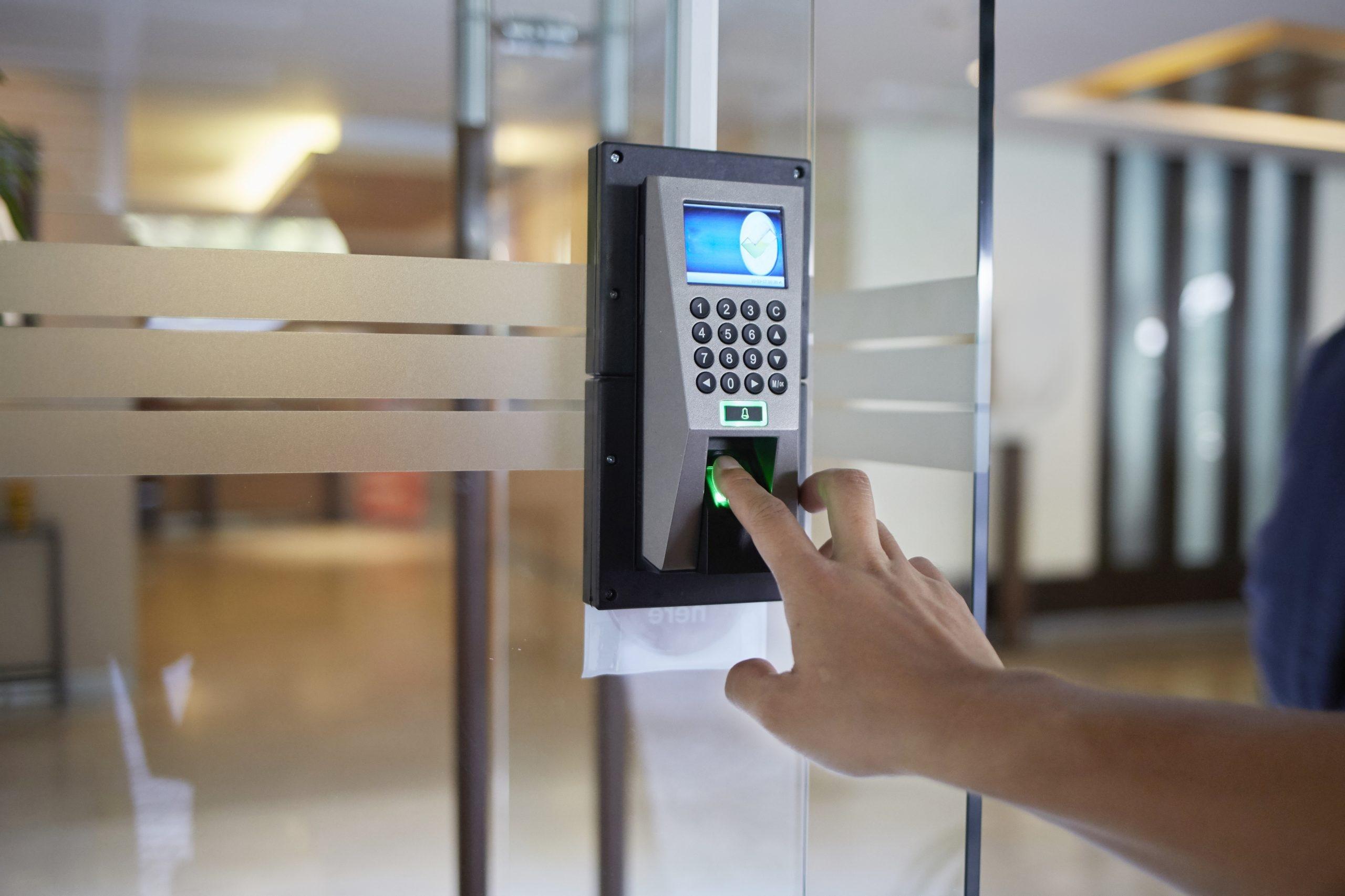
For a business owner in Thousand Oaks, security is always a priority. You lock the doors at night, maybe you have an alarm system, and you trust your employees. But in today's world, the traditional lock and key is a system fraught with vulnerabilities. Think about the last time an employee left your company. Did you get the key back? Are you 100% certain no copies were made? What about the subcontractors who need access to the storage room for a few hours? Or the cleaning crew that comes after hours?
This lack of precise control is a significant business risk. It leaves you exposed to theft, unauthorized access, and liability issues. Modern Access control Thousand Oaks systems solve this by replacing mechanical keys with intelligent, electronic management of who can enter your space, and when. But a successful installation isn't just about buying hardware. It requires careful planning and execution. Here are essential tips to ensure your new system delivers the security and efficiency your business deserves.
Start with a Strategy, Not a Product
The biggest mistake a business can make is jumping straight to looking at card readers and keypads without first defining their goals. Technology is a tool to solve a problem, so you must first understand the problem you're trying to solve.
Conduct a Thorough Security Assessment
Walk through your facility—be it an office near the Oaks Mall, a tech company in Westlake, or a warehouse in the Conejo Valley—and ask critical questions:
-
What are your critical assets? Identify your server room, executive offices, financial records storage, or inventory stockrooms. These high-value areas need the highest level of protection.
-
What is your traffic flow? How do employees, visitors, and vendors move through your building? Where are the natural entry and exit points?
-
What are your unique operational hours? Do you have shift workers? A cleaning crew that comes at 10 p.m.? Employees who need weekend access?
-
What are the potential threats? Is your primary concern internal theft, unauthorized visitor access, or industrial espionage?
Answering these questions creates a security roadmap. This assessment will directly inform the type of system you need, how many doors to secure, and what level of access each person requires.
Choosing the Right Hardware for Your Needs
Once you have a strategy, you can select the appropriate components. A typical Access control Thousand Oaks CA system consists of three main parts: the credentials, the readers, and the locks.
Credentials: How People Identify Themselves
The days of a simple key are over. Modern credentials offer varying levels of security and convenience.
-
Key Fobs and Cards: These are common and cost-effective. They are easy to issue and deactivate. However, they can be lost, shared, or forgotten.
-
Mobile Access: This is the growing trend. Employees use a smartphone app to gain entry. It's highly secure (tied to a specific device), convenient (people rarely forget their phones), and allows for remote unlocking capabilities.
-
Biometrics: For the highest security areas, consider fingerprint or palm vein scanners. These are impossible to share, lose, or duplicate. They are ideal for server rooms or R&D labs but are typically overkill for a main office entrance.
Readers and Locks: The Physical Interface
The hardware on the door must be selected for both security and durability.
-
Reader Type: Choose between keypads (requiring a PIN), card readers, or multi-technology readers that accept both a card and a PIN for two-factor authentication.
-
Electric Lock Hardware: The most critical part of the installation. The type of lock depends on the door:
-
Electric Strikes: Replace the strike plate in the door frame. They are a popular choice for wooden or aluminum frame doors.
-
Magnetic Locks (Maglocks): Provide incredibly strong holding force and are excellent for high-traffic interior doors or glass doors. A crucial note: for safety and fire code compliance in Thousand Oaks, maglocks must be connected to your fire alarm system to release automatically during an emergency.
-
Electric Door Hardware: For more aesthetic applications, you can use electrified lever sets or panic bars that look like standard hardware but are controlled by the access system.
-
The Installation Blueprint: Key Considerations for a Flawless Setup
The physical installation is where planning pays off. Rushing this phase leads to system failures and security gaps.
1. Power and Connectivity are King
Every access control reader and lock needs power. For a wireless system, this often means batteries, which require a strict replacement schedule. For a hardwired system—which is far more reliable—you need to run low-voltage wiring (often Cat6 cable) from each door back to a central panel.
-
Plan for Power Over Ethernet (PoE): Many modern readers can be powered via the same Cat6 cable that handles data. This simplifies installation and reduces costs.
-
Consider a Backup Power Supply: Your access control system should have a battery backup (UPS). This ensures doors remain operational and secure during a power outage, a consideration that’s especially relevant during seasonal public safety power shutoffs.
2. Create a Logical Access Hierarchy
Simply giving everyone access to everything defeats the purpose. Structure your access levels thoughtfully.
-
Define User Groups: Group employees by role (e.g., "Executives," "Warehouse Staff," "Office Employees").
-
Assign Door Permissions: Grant each group access only to the doors they need. The warehouse group doesn't need access to the CFO's office. The daytime office staff doesn't need 24/7 access.
-
Implement Time Zones: Set schedules for access. The cleaning crew's credentials should only work during their specific service window. Most employees' access can be restricted to business hours.
3. Don't Forget the Exit Strategy
Security isn't just about who gets in; it's also about safe egress. All access-controlled doors must have a safe, code-compliant means of exit.
-
For Maglocks: Install a prominent, easy-to-use "Request-to-Exit" (REX) button or motion sensor on the inside of the door. This instantly releases the lock for a safe exit.
-
For other locks: Ensure the interior lever or pushbar always allows free exit. This is not just a best practice; it's a requirement under California building and fire codes.
The Power of Integration and Professional Support
An access control system doesn't have to live in a silo. Its value multiplies when integrated with other security systems.
-
Video Surveillance: Integrate your system with your CCTV cameras. When a credential is used at a door, the system can trigger the nearest camera to record, creating a visual audit trail of every entry and exit.
-
Alarm Systems: Link your access control and intrusion alarm. If a door is forced open, it can trigger both a door-forced alarm and send an instant alert with the name of the person who last used the credential legally.
The Case for Professional Installation
While DIY kits exist, a professional installation is highly recommended for businesses. A certified technician will:
-
Ensure Code Compliance: They understand the local Thousand Oaks and California fire code requirements for egress and emergency unlocking.
-
Handle Complex Wiring: Running wires through walls and ceilings cleanly requires skill and experience.
-
Provide System Configuration and Training: They will set up your user hierarchy, time zones, and reports, and train your staff on how to manage the system day-to-day.
The Tangible Benefits of a Well-Installed System
Getting your access control installation right from the start delivers immediate and long-term returns.
-
Eliminate Key Management Headaches: No more collecting keys, changing locks, or wondering who has access. You can grant or revoke access instantly with a few clicks.
-
Gain a Detailed Audit Trail: Know exactly who entered which door and at what time. This is invaluable for investigating incidents, monitoring employee attendance, or managing vendor access.
-
Enhance Safety and Reduce Liability: By controlling access to sensitive areas and ensuring safe egress, you create a safer environment for everyone, which can positively impact insurance premiums.
-
Project a Professional, Secure Image: A modern access control system signals to employees, clients, and potential intruders that you take security seriously.
Investing in a well-planned Access control Thousand Oaks CA system is an investment in the operational integrity and safety of your business. It replaces uncertainty with control, and vulnerability with a robust, intelligent layer of protection that works for you 24/7. By following these tips and partnering with a qualified professional, you can ensure your system is not just installed, but optimized for the unique needs of your Thousand Oaks business.

 English
 Arabic
 French
 Spanish
 Portuguese
 Deutsch
 Turkish
 Dutch
Dutch
 Italiano
 Russian
 Romaian
 Greek
Greek