
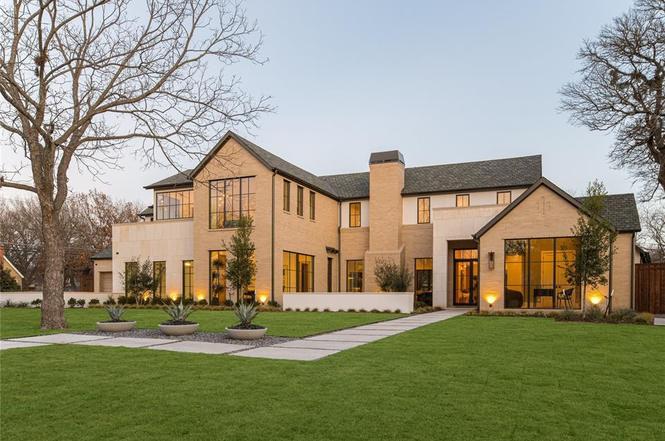
A beautifully designed outdoor space is more than plants, grass, and greenery—it is the foundation, structure, and functionality created through professional hardscaping. For homeowners and commercial property owners, hardscape build and installation services provide the durability, architectural enhancement, and long-term stability needed to create a well-balanced outdoor environment.
Hardscaping blends craftsmanship, engineering, and design to bring structure to landscapes. Whether it’s patios, retaining walls, walkways, driveways, stone features, or outdoor living additions, hardscaping plays a crucial role in shaping the character and usability of an outdoor space.
What Is Hardscape Build and Installation?
Hardscaping refers to all the non-living elements of landscape design—built structures made from durable materials such as stone, brick, concrete, wood, and pavers. These elements work together with softscaping (plants, turf, greenery) to create a complete, cohesive outdoor environment.
Professional hardscape installation ensures that these features are structurally sound, weather-resistant, and visually consistent with the property’s architecture.
Hardscape build and installation typically includes:
-
Patios and outdoor living areas
-
Retaining walls
-
Pathways and walkways
-
Driveways
-
Outdoor kitchens
-
Fire pits and fireplaces
-
Paver systems
-
Stonework and masonry
-
Water features
-
Garden borders and edging
-
Steps, stairs, and elevation transitions
Every component requires precise planning, engineering, and craftsmanship to ensure longevity and stability. Benefits of Professional Hardscape Build and Installation
1. Increased Property Value
A well-designed hardscape enhances both curb appeal and usability, adding significant value to residential and commercial properties.
2. Low Maintenance Outdoor Solutions
Hardscape materials such as stone, concrete, and pavers require minimal upkeep compared to softscaping. This makes them ideal for long-term durability.
3. Functional Outdoor Living Areas
Hardscapes create spaces for dining, relaxing, entertaining, cooking, and gathering—turning the outdoors into a natural extension of your home.
4. Structural Support and Stability
Hardscaping helps manage slopes, prevent erosion, direct water flow, and create safe walkways. Retaining walls, steps, and borders all contribute to a stable environment.
5. Weather Resistance and Longevity
Professionally installed hardscapes can withstand heavy foot traffic, heat, rain, and seasonal changes without deteriorating quickly.
6. Better Landscape Design Balance
Hardscape structures define space, create edges, and provide architectural contrast that enhances the beauty of plantings and natural elements.
Popular Hardscape Features That Transform Outdoor Spaces
1. Custom Patios
Patios serve as the centerpiece of outdoor living. Built using pavers, natural stone, or concrete, they create inviting spaces for relaxation and entertainment.
Common styles include:
-
Modern porcelain tile patios
-
Stone-finished luxury patios
-
Paver patios with unique patterns
-
Stamped concrete patios
2. Retaining Walls
Retaining walls combine functionality and design. They support soil, manage elevation changes, and add visual interest.
Common retaining wall materials:
-
Natural stone
-
Segmental concrete blocks
-
Brick
-
Timber (less common in modern designs)
3. Outdoor Kitchens
A custom outdoor kitchen creates a full entertainment area. Hardscape builders install countertops, built-in grills, pizza ovens, storage, and bar seating.
4. Fire Pits and Outdoor Fireplaces
Fire features extend outdoor enjoyment into cooler seasons. Options include:
-
Gas fire pits
-
Stone fire pits
-
Outdoor fireplaces with chimneys
-
Linear modern fire features
5. Walkways and Pathways
Walkways guide movement and enhance safety. Hardscaping professionals install paths using pavers, natural stone slabs, concrete, or gravel.
6. Driveways
Paver and stone driveways add elegance and durability, offering a premium upgrade over traditional concrete driveways.
7. Water Features
Water elements such as fountains, ponds, and waterfalls add tranquility and luxury to any outdoor space.
8. Decorative Hardscape Elements
These include:
-
Columns and pillars
-
Garden edging
-
Stone seating walls
-
Planter beds
-
Architectural accents
These features add depth and personality to landscape design.
Materials Used in Hardscape Construction
Quality materials are essential to long-lasting hardscapes. Professionals use:
Natural Stone
Granite, limestone, sandstone, and slate provide unmatched beauty and durability.
Pavers
Concrete, brick, and interlocking pavers offer design flexibility and easy maintenance.
Concrete
Used for patios, walkways, and driveways due to its strength and versatility.
Porcelain Outdoor Tiles
Highly popular for luxury patios because they are modern, slip-resistant, and low maintenance.
Gravel and Aggregates
Used for pathways, drainage, and utility spaces.
Brick
Ideal for traditional or rustic hardscape designs.
Each material has specific installation requirements to ensure proper drainage, longevity, and structural integrity.
The Hardscape Build and Installation Process
1. Site Evaluation
Professionals assess soil conditions, drainage, elevation, and landscape layout to identify structural needs and design opportunities.
2. Custom Design Planning
Designers create plans, 2D layouts, and optional 3D renderings showing how the hardscape will look and function.
3. Excavation and Grading
The site is cleared, leveled, and prepared for base materials. Proper grading prevents water pooling and supports long-term durability.
4. Base Installation
A compacted gravel base is essential for pavers, patios, and walkways. This ensures stability and prevents sinking or shifting.
5. Materials Placement
Pavers, stones, or concrete are installed according to the design plan with precise alignment and spacing.
6. Edging and Reinforcement
Hardscape edges are reinforced with concrete borders, paver edging, or stone retainers to prevent movement.
7. Drainage Integration
Channel drains, French drains, and grading ensure adequate water flow and prevent erosion or flooding.
8. Finishing Touches
Joint sand, sealing, lighting, and edging complete the installation and enhance the final appearance.
9. Final Inspection
Professionals evaluate structural soundness, design accuracy, and safety to ensure the hardscape meets quality standards.
How Hardscaping Enhances Outdoor Living
Hardscaping is essential in creating functional, beautiful, and durable outdoor spaces. It defines areas such as:
-
Dining zones
-
Lounge spaces
-
Cooking stations
-
Garden beds
-
Poolsides
-
Courtyards
Hardscape elements provide permanent structure that softscaping alone cannot achieve.
Modern Hardscape Design Trends
1. Large-Format Porcelain Pavers
These create a sleek, modern look and are popular for luxury patios.
2. Mixed Material Designs
Combining stone, pavers, and wood adds visual contrast and depth.
3. Multi-Level Patios
Offers separation between outdoor zones and adds architectural interest.
4. Integrated Lighting
LED pathway lighting, under-cap wall lighting, and step lights improve safety and ambiance.
5. Fire and Water Combinations
A dramatic combination used in high-end outdoor designs.
6. Sustainable Hardscaping
Permeable pavers, recycled materials, and native stone support eco-friendly construction.
Choosing the Right Hardscape Builder
When investing in hardscape build and installation, choosing the right professional is essential.
Look for:
-
Portfolio of previous projects
-
Positive customer reviews
-
Transparent pricing
-
Proper licensing and insurance
-
Knowledge of materials
-
Strong communication
-
Long-term warranties
A skilled hardscape contractor ensures your project is built to last and visually aligned with your property’s style.

 English
 Arabic
 French
 Spanish
 Portuguese
 Deutsch
 Turkish
 Dutch
Dutch
 Russian
 Romaian
 Portuguese (Brazil)
 Greek
Greek