
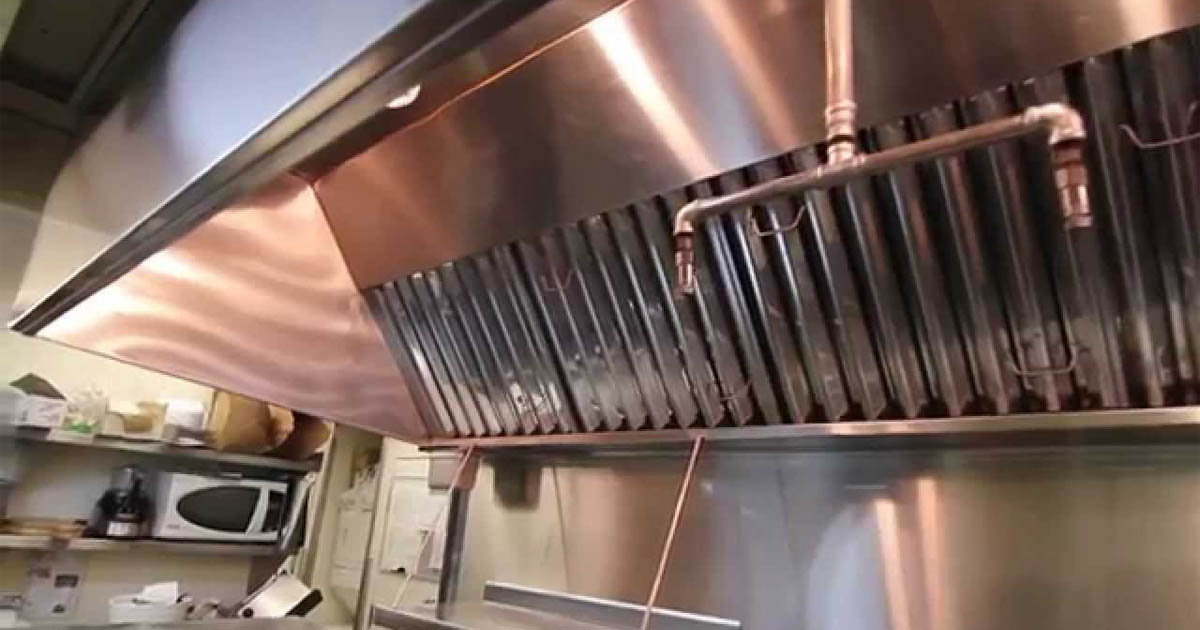
Fire safety planning often begins with a simple question: “Are we protected if something goes wrong?” The answer depends heavily on the type, condition, and suitability of your fire protection equipment. While many buildings meet minimum code requirements, true preparedness goes beyond checking boxes it’s about thoughtful planning and ongoing attention.
Every building has unique risks, and the equipment designed to protect it should reflect that reality.
Fire Protection Starts with Risk Awareness
Before selecting or upgrading fire protection equipment, it’s important to understand the specific risks within a space. An office with standard electrical equipment faces different hazards than a manufacturing facility or retail environment with storage areas.
Factors such as building size, layout, occupancy levels, and materials used all influence what kind of fire protection systems are most effective. Identifying these risks early allows property owners and managers to make smarter decisions that align with real-world use.
Matching Equipment to the Environment
Not all fire protection equipment serves the same purpose. Fire extinguishers, for example, are classified based on the types of fires they’re designed to handle. Using the wrong extinguisher can be ineffective or even dangerous.
Detection systems, such as smoke and heat sensors, must also be placed strategically. Poor placement can delay alerts, while well designed systems provide early warnings that save time and lives. Choosing equipment that fits the environment ensures a coordinated response when seconds matter.
Why System Integration Matters
Fire protection works best when systems function together rather than in isolation. Alarms, suppression systems, emergency lighting, and exit signage all play a role in guiding occupants to safety.
When these systems are integrated, alerts trigger responses automatically, evacuation paths are clearly visible, and suppression efforts begin without delay. This level of coordination reduces confusion and helps emergency responders assess situations more quickly.
Maintenance as Part of Safety Planning
Even the most advanced Fire Protection Equipment can fail if it isn’t maintained properly. Regular inspections and testing ensure that systems remain reliable and compliant with safety standards.
Maintenance also helps identify small issues such as pressure loss, worn components, or expired extinguishers before they become major risks. Making maintenance part of a routine safety plan keeps equipment ready for use at all times.
Adapting to Changes Over Time
Buildings evolve. Spaces are renovated, equipment is added, and occupancy patterns change. Fire protection plans should evolve as well.
What worked five years ago may no longer provide adequate coverage today. Periodic reviews of fire protection equipment help ensure systems still match the building’s current layout and usage. This proactive approach reduces gaps in coverage and strengthens overall safety.
Supporting Compliance Without Guesswork
Fire codes and regulations can be complex, especially when requirements vary based on building type or use. Properly selected and maintained fire protection equipment helps simplify compliance by aligning systems with current standards.
Rather than reacting to inspection findings, businesses that plan ahead often experience smoother reviews and fewer surprises. Compliance becomes part of everyday operations instead of a last minute concern.
Training Completes the System
Equipment alone isn’t enough. People need to understand how systems work and what to do during an emergency. Basic training helps occupants recognize alarms, locate exits, and respond appropriately without panic.
When people are familiar with their surroundings and equipment, response times improve and risks decrease. Training reinforces the effectiveness of fire protection systems already in place.
Looking at Fire Protection as a Long Term Strategy
Fire protection equipment isn’t a one time purchase it’s an ongoing strategy. When chosen thoughtfully and maintained consistently, it protects lives, property, and business continuity.
Preparedness doesn’t mean expecting the worst; it means being ready. With the right equipment and planning, buildings can face emergencies with confidence rather than uncertainty.
📍 Visit: Fire Protection Equipment Co, 2020 Broadway St NE ste 100, Minneapolis, MN 55413
📞 Call: (800) 450-2885

 English
 French
 Spanish
 Portuguese
 Deutsch
 Turkish
 Dutch
Dutch
 Italiano
 Russian
 Romaian
 Portuguese (Brazil)
 Greek
Greek