
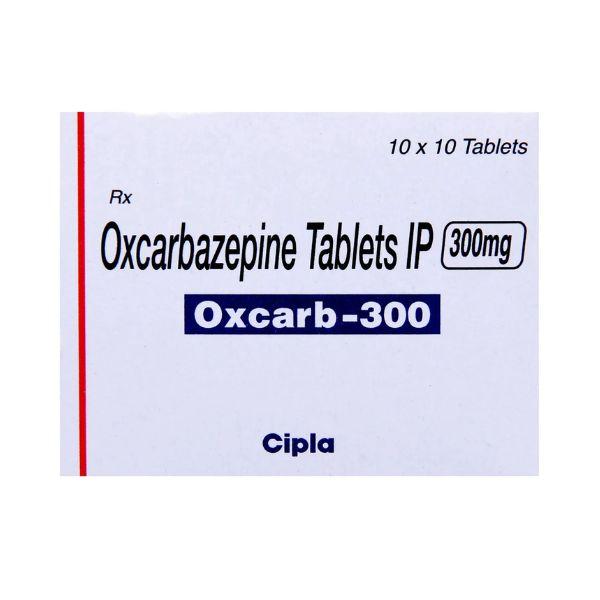
Oxcarb 300 — also known as Oxcarbazepine 300 mg — is a widely prescribed anticonvulsant medication used in the prevention and management of seizure disorders, particularly partial-onset seizures. This article is mainly targeted toward readers in the United States who want to better understand how Oxcarb 300 works, what it’s used for, and how it supports long-term seizure control.
Epilepsy affects millions of adults and children across the U.S., and seizure control is essential not only for physical safety but also for quality of life, independence, and long-term brain health. Oxcarb 300 plays a key role in seizure prevention and is commonly recommended by neurologists as either a first-line therapy or part of a combination treatment plan.
This detailed guide explains what patients and caregivers should know — from uses and benefits to safety considerations and FAQs — in clear, reliable, and easy-to-understand language.
What Is Oxcarb 300?
Oxcarb 300 contains the active ingredient Oxcarbazepine 300 mg, a medication classified as an anticonvulsant or antiepileptic drug (AED). It works by stabilizing abnormal electrical activity in the brain that triggers seizures.
Oxcarbazepine has been used in neurology for many years and is FDA-approved in the U.S. for treating certain types of seizures. It may be prescribed alone (monotherapy) or along with other seizure medications (adjunct therapy).
How Oxcarb 300 Helps Prevent Seizures
Seizures occur when brain cells fire rapidly and unpredictably. Oxcarb 300 helps prevent this by:
-
Reducing excessive nerve activity
-
Blocking sodium channels in brain cells
-
Stabilizing electrical signaling
-
Lowering the risk of sudden abnormal brain firing
This stabilizing effect helps reduce both the frequency and severity of seizures over time.
Many patients begin to see improvement gradually as the medication builds up in the body and reaches a stable level.
Conditions Commonly Treated With Oxcarb 300
Oxcarb 300 is primarily prescribed for:
Partial-Onset (Focal) Seizures
These seizures begin in one part of the brain and may or may not spread. Symptoms can include:
-
Sudden confusion
-
Brief loss of awareness
-
Muscle twitching
-
Staring spells
-
Unusual sensations or movements
Oxcarb 300 is commonly used in:
-
Adults with partial-onset seizures
-
Children (often age-specific depending on the doctor’s recommendation)
-
Patients switching from other seizure medicines
-
Those requiring combination therapy
Why Doctors Prescribe Oxcarb 300 for Seizure Prevention
Neurologists in the U.S. prescribe Oxcarb 300 for several reasons:
Proven Efficacy
It has a long track record of helping stabilize seizure activity.
Can Be Used Alone or With Other Medications
Useful for both new diagnoses and chronic epilepsy management.
Suitable for Adults and Many Children
Dose adjustments are typically tailored to age and weight.
Balanced Safety Profile
While side effects are possible, many patients tolerate it well.
Flexible Dosing
Allows doctors to gradually reach the dose that best controls seizures.
Benefits of Oxcarb 300 for Seizure Prevention
Patients may experience:
-
Fewer seizures
-
Reduced severity of episodes
-
Greater independence and confidence
-
Improved daily functioning
-
Support for long-term epilepsy control
-
Potential reduction in seizure-related injuries
Better seizure control often leads to significant lifestyle improvements, including work, school, driving (where legally permitted), and social participation.
Potential Side Effects of Oxcarb 300
Like all medications, Oxcarb 300 may cause side effects. These vary from person to person.
Common Side Effects
-
Drowsiness or fatigue
-
Dizziness
-
Headache
-
Vision changes
-
Nausea or stomach upset
-
Balance or coordination issues
These are often temporary as the body adjusts.
Less Common but Important Side Effects
-
Low sodium levels (hyponatremia) — may cause confusion, headaches, weakness
-
Allergic skin reactions or rash
-
Mood or behavior changes
If any serious symptoms occur, medical help should be sought immediately.
Safety Precautions to Know
Before starting Oxcarb 300, patients should inform their doctor if they:
-
Have kidney or liver problems
-
Have thyroid issues
-
Have low sodium levels
-
Are pregnant or planning pregnancy
-
Are breastfeeding
-
Take other prescription or over-the-counter medications
-
Have ever reacted badly to carbamazepine
Never stop Oxcarb 300 suddenly
Stopping abruptly can trigger seizures or worsen existing ones. Dose changes should always be supervised by a healthcare provider.
How Oxcarb 300 Is Usually Taken
Always follow your doctor’s prescription exactly.
Typically:
-
Tablets are swallowed whole
-
Taken once or twice daily (depending on dosing plan)
-
May be taken with or without food
-
Dose is often increased gradually
Missing doses or inconsistent use may increase seizure risk.
Oxcarb 300 and Brain Health
Consistent seizure control is critical to long-term brain health. Preventing seizures:
-
Reduces injury risk
-
Supports cognitive stability
-
Improves sleep and concentration
-
Helps protect neurological function
Oxcarb 300 plays a key role in maintaining stable brain activity over time.
Oxcarb 300 Use in the US Healthcare Setting
In the United States, Oxcarb 300 is:
-
Commonly prescribed by neurologists and epilepsy specialists
-
Often covered under insurance or pharmacy benefit plans
-
Available through licensed U.S. pharmacies with a valid prescription
Patients should only use medication obtained through legitimate U.S. healthcare channels.
Who Should Not Take Oxcarb 300?
It may not be suitable for:
-
People allergic to oxcarbazepine
-
Those with certain severe medical conditions
-
Patients with very low sodium levels
-
Individuals unable to safely tolerate anticonvulsants
Your healthcare provider will perform appropriate evaluations before prescribing.
Oxcarb 300 vs. Other Antiepileptic Medicines
Doctors choose seizure medicines based on:
-
Type of seizures
-
Age
-
Medical history
-
Side-effect risk
-
Lifestyle needs
Oxcarb 300 is often preferred when a well-tolerated, effective, and flexible option is needed.
Long-Term Outlook With Oxcarb 300
With ongoing medical supervision and consistent use, many patients experience:
-
Stable seizure control
-
Fewer breakthrough episodes
-
Enhanced daily functioning
-
Better long-term neurological health
Regular follow-ups and lab monitoring help maintain safety and effectiveness.
Lifestyle Tips While Taking Oxcarb 300
Patients may also benefit from:
-
Getting enough sleep
-
Reducing stress
-
Taking medication at the same time daily
-
Avoiding alcohol unless doctor-approved
-
Tracking seizure activity
-
Wearing a medical alert ID (if appropriate)
These habits support safer, more effective epilepsy management.
Final Thoughts
Oxcarb 300 (Oxcarbazepine 300 mg) is an important medication in modern seizure prevention, especially for partial-onset epilepsy. For many patients in the U.S., it offers reliable control, a manageable safety profile, and long-term stability when taken under medical guidance.
Seizure control is not just about medication — it’s about safety, confidence, independence, and quality of life.
Frequently Asked Questions About Oxcarb 300
1. What is Oxcarb 300 used for?
Oxcarb 300 is used to treat and prevent partial-onset seizures in adults and many children. It helps stabilize electrical activity in the brain.
2. Is Oxcarb 300 the same as Oxcarbazepine 300 mg?
Yes. Oxcarb 300 contains Oxcarbazepine 300 mg as its active ingredient.
3. Can children take Oxcarb 300?
Yes — depending on age, weight, and medical guidance. Pediatric dosing is carefully monitored by specialists.
4. How long does Oxcarb 300 take to work?
Some patients notice improvement within days to weeks, while full benefits may take longer as the dose is adjusted.
5. Are there serious side effects?
Serious side effects are uncommon but may include allergic reactions, severe rash, or very low sodium levels. Medical attention is needed if serious symptoms occur.
6. Can I stop taking Oxcarb 300 if I feel better?
No. Stopping suddenly increases seizure risk. Any changes must be supervised by your doctor.
7. Is Oxcarb 300 safe during pregnancy?
This requires individualized medical advice. Always consult your healthcare provider before planning pregnancy.
8. Is this information relevant for US patients?
Yes — this guide is primarily tailored to patients and caregivers in the United States.

 Arabic
 French
 Spanish
 Portuguese
 Deutsch
 Turkish
 Dutch
Dutch
 Italiano
 Russian
 Romaian
 Portuguese (Brazil)
 Greek
Greek