
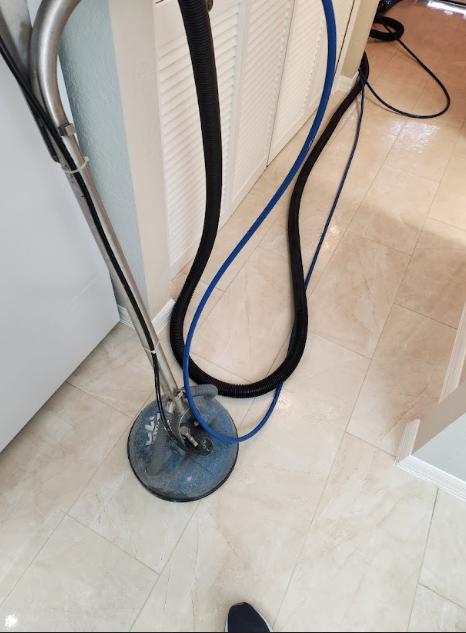
No matter how often you sweep or mop, tiled floors eventually lose their shine. Dirt, grime, and moisture accumulate in the tiny pores of the tile surface and deep within the grout, creating stubborn stains that seem impossible to remove. When regular cleaning products just aren’t enough, it’s time to turn to restorative tile cleaning—the professional process that brings even the most heavily soiled floors back to life.
This in-depth service goes beyond surface cleaning, using advanced technology, dual wash systems, and expert techniques to rejuvenate tiles and grout, restoring them to their original brilliance.
What Is Restorative Tile Cleaning?
Restorative tile cleaning is an intensive deep-cleaning process designed for floors that have suffered from years of built-up grime, discoloration, or neglect. Unlike regular maintenance cleaning, which focuses on surface dirt, restorative cleaning targets deep-set debris embedded within grout lines and tile pores.
The process uses high-powered steam, rotary brushes, and specialized cleaning solutions to extract dirt at the molecular level. Professional technicians often use dual wash systems—combining pressure washing and suction extraction—to lift out grime while rinsing the floor simultaneously, preventing dirty water from reabsorbing into the surface.
The result? Floors that look freshly installed, even after years of wear.
Why Do Tiles Become So Dirty Over Time?
Tiles—whether stone, porcelain, or ceramic—may seem durable, but they’re porous materials. Over time, fine dust, grease, soap scum, and other contaminants penetrate those pores. Grout, being even more porous, traps everything from moisture to bacteria, leading to discoloration and odor.
Frequent mopping may spread this grime around rather than removing it, and over-the-counter cleaners often leave residues that attract more dirt. Foot traffic, spills, and cleaning chemicals all contribute to gradual dulling, especially in high-use areas like kitchens, bathrooms, and hallways.
When floors reach this stage, a simple clean won’t do—you need a professional restorative tile cleaning process to strip away years of buildup and restore your tiles to their original finish.
The Professional Process: How Restorative Tile Cleaning Works
Professional tile cleaning involves a systematic approach to ensure thorough results without damaging the tile surface.
1. Pre-Inspection and Surface Preparation
Technicians start with an inspection to identify tile type, condition, and existing sealants. Each material—stone, porcelain, ceramic, or travertine—requires a tailored cleaning approach.
2. Pre-Treatment Application
A specialized pre-spray cleaner is applied to break down surface grease, soap scum, and embedded grime. This solution penetrates deeply into grout lines to loosen contaminants.
3. Agitation with Rotary Tools
High-speed rotary scrubbers agitate the surface, lifting and suspending dirt particles for removal. The combination of gentle abrasives and appropriate brush heads ensures no scratching or etching occurs.
4. Dual Wash System and Hot Water Extraction
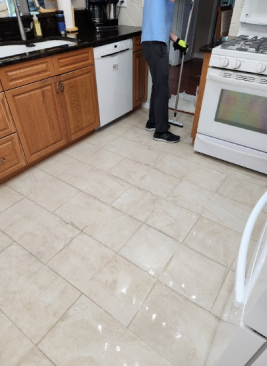
Using dual wash technology, the technician performs two simultaneous actions—pressure cleaning to dislodge grime and vacuum extraction to remove the dirty solution immediately. This ensures that no residue remains to resettle into the grout.
5. Steam Sanitization and Detailing
High-temperature steam further sanitizes the surface, eliminating bacteria, mold spores, and indoor allergens. Edges, corners, and tight spaces are detailed manually to ensure consistent results.
6. Sealing for Long-Term Protection
Once cleaned, grout and tile surfaces are sealed with a high-quality protectant. This barrier repels moisture, oil, and stains, keeping your floors looking new for years to come.
Types of Tile That Benefit from Restorative Cleaning
Not all tiles are the same, and each material requires specific techniques:
· Stone tile cleaning restores natural surfaces like marble, limestone, and travertine, which can lose luster over time.
· Porcelain tile cleaning removes fine particulate dirt that dulls high-gloss finishes, restoring clarity and sheen.
· Ceramic tile cleaning targets the build-up of residue that often hides the tile’s original color.
· Grout cleaning and sealing rejuvenates the lines that tie your flooring together, preventing future staining and discoloration.
Each type of tile presents its own cleaning challenges, and professional technicians have the tools and knowledge to handle them safely and effectively.
Visible and Long-Term Results You Can Count On
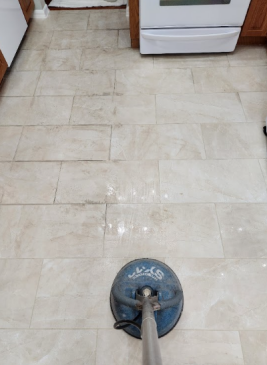
The most noticeable outcome of restorative tile cleaning is the visual transformation. What was once dull and grimy becomes bright, clean, and polished. The room feels fresher, indoor air quality improves, and the overall environment becomes more hygienic.
But beyond the immediate aesthetic benefits, restorative cleaning also enhances your floor’s durability. Removing embedded dirt prevents the slow erosion of the grout and tile surface, while sealing helps maintain that like-new appearance longer.
Homeowners who invest in professional tile restoration typically find they save money in the long term by delaying the need for full tile replacement.
The Health and Hygiene Benefits
Dirty grout isn’t just unsightly—it can be a breeding ground for bacteria, mold, and mildew. These can trigger allergies, worsen respiratory conditions, and create unpleasant odors in your home.
Steam-based restorative tile cleaning eliminates these contaminants at their source. The process naturally sanitizes floors without harsh chemicals, making it ideal for families with children or pets. Clean grout and tile surfaces also reduce slip risks by removing greasy residues, especially in kitchens and bathrooms.
When Should You Schedule Restorative Tile Cleaning?
You should consider professional restorative cleaning if:
· Your tiles look permanently dull or discolored despite regular cleaning.
· Grout lines appear dark, uneven, or stained.
· There’s a lingering odor in tiled areas.
· Mold or mildew keeps reappearing.
· You’re moving into a new home with old or neglected tile floors.
Most experts recommend scheduling a restorative cleaning every 12–24 months, depending on foot traffic, location, and environmental conditions. Regular maintenance between services keeps your tiles looking flawless year-round.

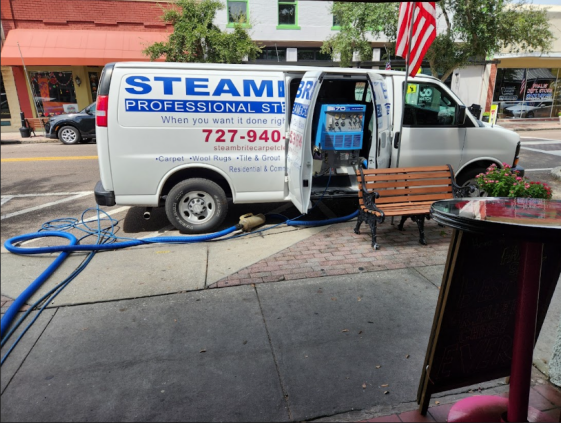
Steambrite Cleaning Services specializes in professional restorative tile cleaning that revives even the most neglected floors. Their expert technicians combine dual wash systems, powerful steam extraction, and precision detailing to restore shine, remove deep grime, and protect your investment.
In addition to cleaning for tile and grout, they offer comprehensive carpet steam cleaning, wool rug cleaning, vinyl floor cleaning, stone tile cleaning, wood floor cleaning, and furniture cleaning services. Their goal is to bring comfort, cleanliness, and beauty back to every surface in your home.
They proudly serve Palm Harbor, Tarpon Springs, Trinity, Clearwater, and East Lake, providing reliable, high-quality cleaning services that make every floor—from stone to ceramic—look flawless again. Contact them today.
About the Author
Written by Tim Gallagher, a flooring care specialist with over 15 years of experience in professional cleaning and restoration. Tim has worked extensively with stone, ceramic, and wood surfaces, helping homeowners preserve and protect their floors with modern cleaning technologies and eco-conscious maintenance solutions.

 Arabic
 French
 Spanish
 Portuguese
 Deutsch
 Turkish
 Dutch
Dutch
 Italiano
 Russian
 Romaian
 Portuguese (Brazil)
 Greek
Greek