
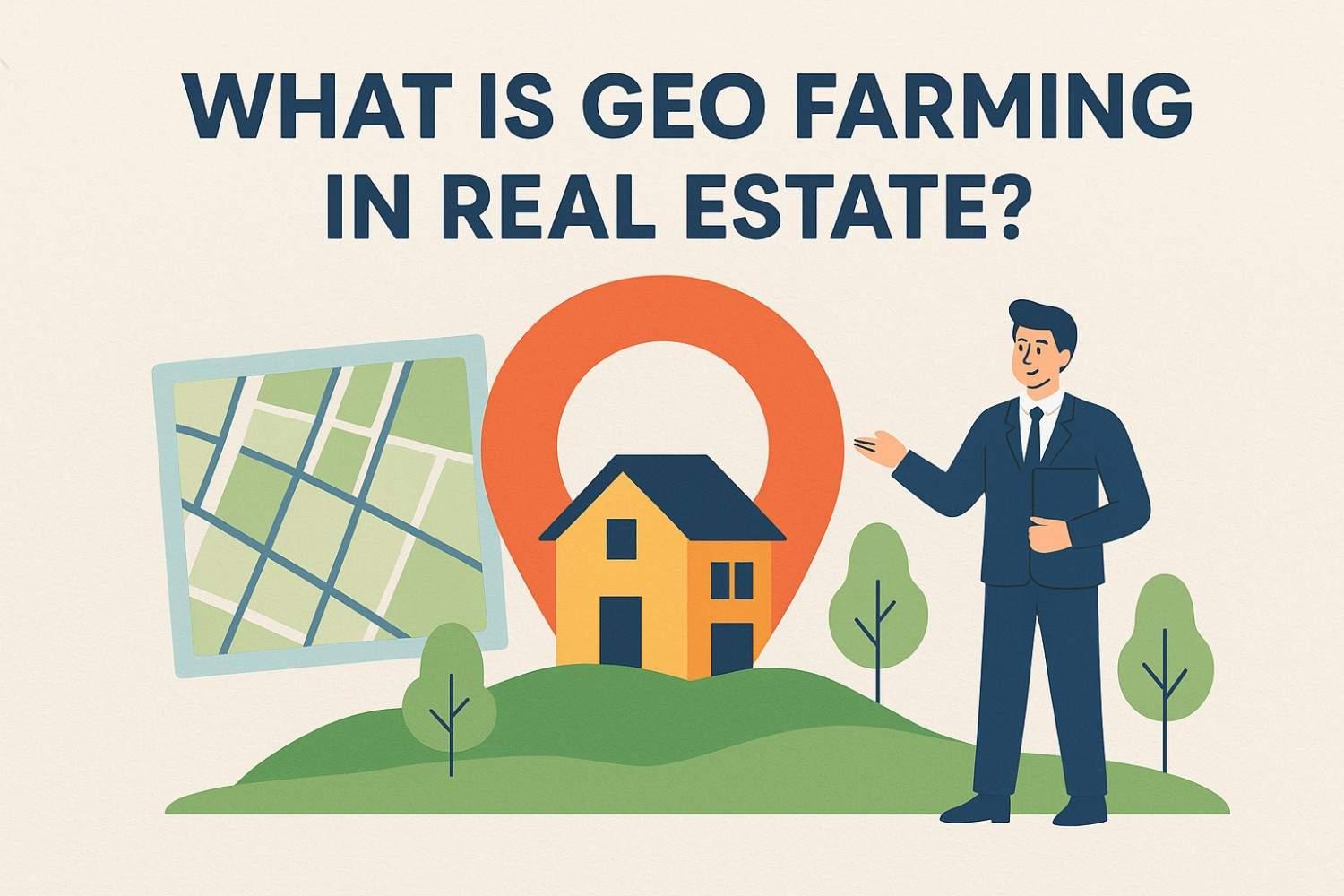
Geo farming in real estate is a focused approach that centers your attention on a single neighborhood and builds your identity inside that zone through steady, helpful contact. Instead of trying to reach an entire city, you choose one area and commit to becoming the most trusted voice for the people who live there. This narrowed focus allows you to understand the area in much deeper detail, communicate with real purpose, and form steady familiarity with homeowners.
Many agents spread their efforts across too many streets at once. This often leads to scattered results and limited presence. Geo farming takes the opposite path. You stay in one place long enough for residents to recognize you, remember you, and reach out when they need guidance. Homeowners tend to work with the person they know well. By focusing on one zone, you place yourself in that position.
Why Geo Farming Works So Well
The reason this method succeeds is simple. People respond to repeated, helpful contact from someone who clearly understands their neighborhood. When homeowners notice the same agent sending honest market updates, local insights, and area activity reports, a natural trust builds. You become the person who understands their street, their price range, their problems, and their goals.
This presence grows even stronger as time passes. Each home you sell in the area creates another story you can share. Each conversation with a homeowner builds a deeper relationship. Over time, your name becomes tied to that community. You are no longer a stranger knocking on doors. You become the familiar person they rely on for guidance.
How Geo Farming Actually Works
The process begins with choosing the right farm area. For most agents, this means a group of streets, a gated community, a condo building, or a suburban cluster with homes that share similar traits. Once your area is set, you begin a steady routine of contact that keeps you visible without overwhelming the residents.
This contact often includes printed mail, online messages, short videos, open house updates, and simple check-ins. Each message should help homeowners understand what is happening around them. You keep them informed about recent sales, price shifts, and trends that affect their property. You talk about events, changes in the area, or new services that benefit residents. Everything you send should feel relevant, local, and useful.
Consistency matters more than perfection. A predictable monthly message builds far more trust than occasional bursts of activity.
Choosing the Right Farm Area
Selecting the area is the most important step. A strong farm zone does not rely on luck. It depends on careful study of how the neighborhood behaves. A place with almost no sales will not produce results. A place with too much agent activity may be hard to break into.
Look at the past few years of sales activity. A healthy farm zone usually has steady movement without constant turnover. This balance gives you enough chances to gain listings without making the area too volatile to predict. Your chosen neighborhood should also match the type of properties you want to sell. If your experience fits the local price point, your voice carries far more weight with residents.
Take time to understand the residents as well. Families, retirees, young couples, and downsizers each respond to different messages. The way you speak, the topics you cover, and the issues you highlight should fit the lifestyle of the people who live there. Public records, MLS data, community boards, and local conversations help build a clear picture of who they are and what matters to them.
Competition also plays a part. If one agent dominates the area, you may struggle to gain attention. If the neighborhood lacks a consistent presence from any agent, you have a strong opening. You can become the person who brings steady communication to a place that rarely receives it. This alone sets you apart.
Crafting a Clear and Steady Marketing Plan
Once your area is chosen, you need a communication plan that never feels random. Your outreach should follow a clear timeline so residents grow familiar with your rhythm. For example, you might send a monthly update that explains recent sales in simple, direct language. Later, you may add short videos that show changes in the area. Over time, you introduce seasonal letters, event invites, or simple notes that show you are actively involved.
The key is to remain present through different channels so homeowners see you in natural moments. A postcard on the counter, a post on their phone, and a greeting at a community gathering all work together to build comfort. Your goal is to stay visible in a way that feels genuine and steady.
Providing Real Value to Homeowners
A strong geo farming plan does not rely on generic messages. Homeowners care about updates that relate directly to their homes. If you want them to trust you, focus on the questions they already have.
They want to know how prices changed on their street. They want to understand what similar homes sold for. They want clear reasons for recent shifts in demand. They want to know when the best time to list might be. When you supply that information on a consistent schedule, your voice becomes more important to them each season.
You can also study local concerns and address them with clarity. A neighborhood with older homes might appreciate guidance on maintenance that helps preserve value. A community with families may respond well to updates on school ratings or new parks. A condo building may want clarity on how local rules affect resale value. Small details like these help you form a deeper bond with the people you serve.
Tracking Your Progress
A strong geo farming plan grows through careful study of your results. You should pay attention to how residents respond to your work. Track the calls you receive, the valuation requests that come in, the comments you hear at community events, and the online activity from your farm zone. Over time, you will see patterns that guide your next moves.
Maybe residents respond more to market stories than to general updates. Maybe short videos bring more questions than printed mail. Maybe a simple letter creates more conversations than a postcard. These small discoveries help you adjust your plan for stronger results.
A clear understanding of your progress keeps you focused on what matters and prevents wasted effort.
Common Errors Agents Make
Many agents face slow results because they rush the process. Some select an area that is far too large, which makes it impossible to stay present in every home. Others reach out once or twice and then stop when they do not see instant progress. Geo farming needs patience. You are building trust across a neighborhood, and trust takes time.
Another common mistake is relying on only one form of contact. If your entire plan centers on postcards, residents may forget your message quickly. The same problem happens with only online communication. A healthy plan blends both because homeowners move between physical and online spaces throughout the day.
Some agents skip tracking. They keep sending messages but never study what works. This slows growth and wastes resources. A clear view of your performance helps you adjust with purpose.
The Power of Long-Term Presence
Geo farming rewards agents who commit to the long game. In the first few months, residents may only recognize your name. As the months pass, they begin to see you as a consistent part of their community. By the end of the first year, you often receive your first listings because people now feel comfortable reaching out.
Each year strengthens your standing. You gain referrals, repeat clients, and more attention from people who have watched you grow inside the neighborhood. Over time, this creates a steady flow of leads with far less effort than you needed at the start.
Conclusion
Geo farming in real estate is a steady and focused plan that centers on building a strong presence in one neighborhood. By choosing the right area, providing helpful updates, keeping a clear schedule, and studying your progress, you grow your identity as the trusted person for that community. The method builds lasting relationships and offers long-term growth when carried out with patience and clarity.

 English
 Arabic
 Spanish
 Portuguese
 Deutsch
 Turkish
 Dutch
Dutch
 Italiano
 Russian
 Romaian
 Portuguese (Brazil)
 Greek
Greek