
Studies show that play therapy can improve behavior and coping skills in many children. Therefore, families in child play therapy St. George often ask which tools help most. This guide answers that in simple terms. It explains eight creative tools therapists use. Each tool supports feelings, problem-solving, and trust; moreover, every section shares real benefits you can understand. As you read, picture small wins in each session. Then notice how these tools build steady progress over time.
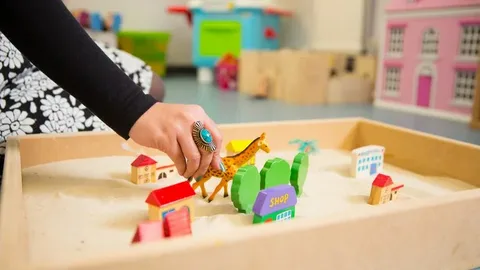
1) Sand Tray Stories Child Play Therapy
First, many therapists start with a sand tray. Kids place mini-figures in the sand. They build scenes that match inner feelings. Because words can be hard, the tray speaks for them. Therapists then notice themes, patterns, and choices. Next, they ask gentle questions about the scene. Children feel safe while they move items and try ideas. As sessions continue, scenes often shift toward hope. Symbols change, showing growth and new skills. Parents hear simple takeaways they can support at home. Importantly, sand trays fit many ages and needs. They also work well with goals set by the family. With practice, kids gain calm, control, and clearer stories.
2) Puppets and Role-Play
Puppets turn hard topics into easier play. Kids project feelings onto a character. Then, they test safe scripts and new choices. Sessions often include short role swaps.
-
Pick a puppet that matches a feeling.
-
Speak through the puppet to share a worry.
-
Try a new response with guidance.
-
Pause, then reflect on what felt good.
Therapists keep the pace gentle and kind. Moreover, they link actions to coping skills. When a child acts bravely, the puppet praises them. This small win boosts confidence right away. Because some clinics pair methods, they may add CBT St. George. For example, a "thought detective" puppet checks facts. As a result, kids learn to challenge unhelpful thoughts. Families can use puppets at home for quick practice.
3) Art and Drawing Time
Crayons, markers, and clay open another door. Kids draw feelings, memories, and wishes. Because art lowers pressure, many children relax quickly. Therapists might guide prompts like "draw your safe place." Then they explore colors, shapes, and choices. In addition, they watch for stress cues and strengths. Kids can tear paper, roll clay, or sketch lightly. These actions help release body tension. Afterward, the child explains the picture, if ready. The goal is meaning, not a perfect look. Clinics that offer art therapy services St. George may blend art with movement. They might add music or simple breath work. Step by step, kids gain words for feelings. Over time, they learn to ask for help sooner.
4) Therapeutic Board Games
Board games make learning feel like fun. Turn-taking teaches patience and fairness. Clear rules model safe limits and structure. Meanwhile, choices show flexible thinking.
-
Start with a short, simple game.
-
Practice waiting, then cheering others.
-
Try a "do-over" rule to fix mistakes.
-
Share one feeling after each turn.
Therapists pick games that match goals. For anger skills, they choose calm check-ins. For anxiety, they rehearse brave actions. Also, they praise effort more than wins. As kids improve, games get a bit harder. This steady climb builds grit and focus. Parents can copy these steps at home. With practice, family game night becomes skill time. Progress then shows up at school and with friends.
5) Building Blocks and LEGO Challenges
Blocks teach planning and teamwork. First, children design a simple build. Then they follow the steps and handle surprises. When towers fall, they learn to try again. Therapists add tiny challenges to grow skills. For example, they limit blocks to spark problem-solving. They also ask the child to explain each step. This builds language and self-control. Importantly, blocks support social play too. Pairs can share roles and switch jobs. Moreover, the build becomes a story bridge. Feelings get linked to colors and shapes. Many clinics offering child play therapy St. George use block goals. They track focus time, calm breaks, and teamwork. As kids master small tasks, they feel proud. That pride fuels the next brave try.
6) Music and Rhythm Tools
Drums, shakers, and simple keyboards help bodies reset. Rhythm steadies breathing and heart rate. Kids learn beat, pause, and soft starts. Therapists may mirror the child's tempo. Then they guide a slower rhythm to calm. Also, songs can hold coping scripts. A short chorus can cue deep breaths. Because minds follow music, new habits stick. Clinics sometimes pair rhythm with CBT St. George. They link beats to "stop, think, choose" steps. Next, they match feelings to volume levels. Loud means "name it," soft means "choose a skill." Over time, kids notice stress earlier. They reach for music before a meltdown. Families can use a "calm playlist" at bedtime.
7) Storytelling and Bibliotherapy
Stories give kids a map for change. Therapists pick books that mirror the child's challenge. Then they pause to ask what the hero tried. They explore choices, helpers, and useful tools. After that, kids retell the story in their own words. They might change the ending to show courage. This simple step shifts stuck beliefs. It builds hope and planning skills. Moreover, children learn that problems have chapters. Each chapter needs one small action. Sessions may blend stories with drawing or play. Kids design a "hero kit" with coping cards. Moreover, many programs for child play therapy St. George use story plans at home. Parents read the same book and note progress. With practice, the child becomes the steady hero.
Mind-Body Tools: Playful Mindfulness
Lastly, therapists teach mindfulness through play. Kids blow bubbles to practice slow breaths. They also use glitter jars to watch thoughts settle. Short body scans turn into "robot then noodle" games. These help muscles shift from tense to loose.
Additionally, mindful walks sharpen the senses. Children list things they see, hear, and feel. This pulls attention back to the present. When worries rise, they use these steps first. They record fewer outbursts and quicker recoveries. As a closing note, families seeking warm, skilled care can trust A Child's Hopeful Journey for support that grows with their child.

 English
 Arabic
 French
 Spanish
 Portuguese
 Deutsch
 Turkish
 Dutch
Dutch
 Italiano
 Russian
 Portuguese (Brazil)
 Greek
Greek