
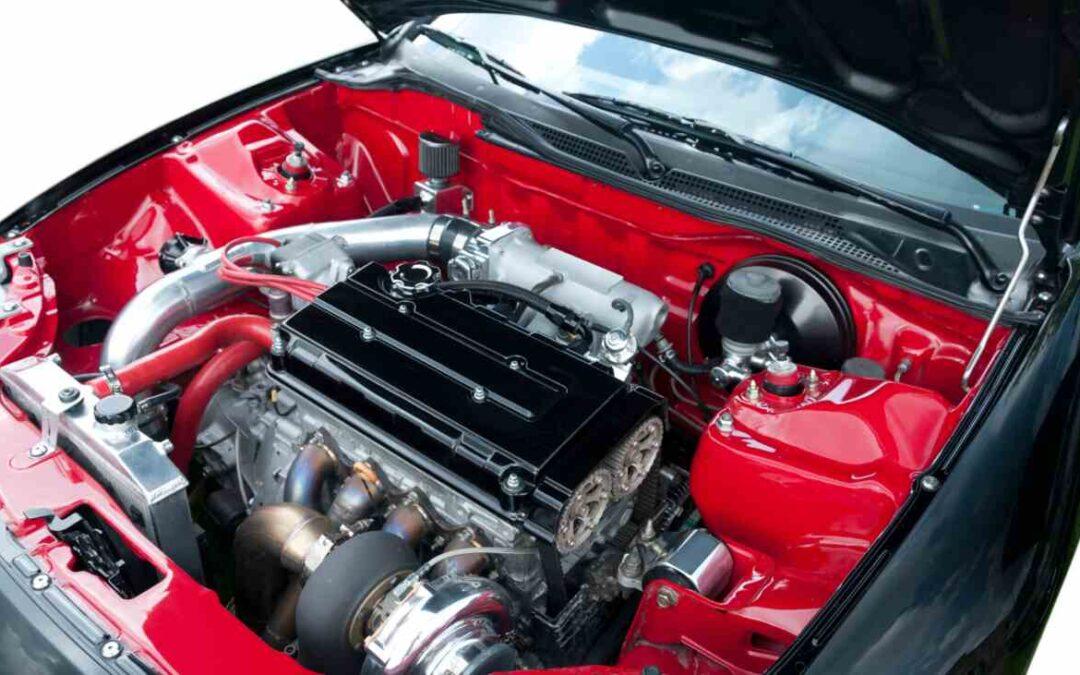
For over a century, petrol-powered vehicles have dominated Australian roads, shaping how we travel, trade, and live. However, with the global shift toward electric mobility and stricter environmental regulations, a growing question arises — are petrol cars going extinct? This blog explores the evolving landscape of combustion engines, their challenges, and what the future holds for Australian motorists.
Understanding Why Petrol Cars Are Declining
Petrol cars are gradually losing their dominance due to environmental concerns and advances in electric vehicle (EV) technology. The Australian government has committed to achieving net-zero emissions by 2050, leading to tighter fuel efficiency standards and incentives for electric and hybrid models. According to the Federal Chamber of Automotive Industries (FCAI), EV sales in Australia tripled between 2022 and 2024, showing clear consumer interest in sustainable alternatives. As more automakers announce plans to phase out petrol and diesel models by 2035, the transition seems inevitable.
How Electric Vehicles Are Changing the Automotive Market
Electric vehicles are transforming the way Australians view personal transportation. EVs offer lower operating costs, fewer maintenance requirements, and zero tailpipe emissions. While the upfront price is higher, government rebates and savings on fuel make EV ownership increasingly attractive. The cash for cars Townsville market has also evolved to accommodate this shift, as recyclers and car buyers now accept old petrol vehicles for dismantling and recycling, helping owners make the switch to cleaner models.
The Role of Government Policies in Shaping the Future
Australia’s state and federal policies are playing a crucial role in phasing out combustion engines. Several states, including New South Wales and Victoria, have set targets to end the sale of new petrol and diesel cars by 2035. Additionally, initiatives such as the Electric Car Discount and incentives for installing home charging stations are accelerating adoption. Petrol cars will not vanish overnight, but government direction ensures they will gradually become less common over the next two decades.
Challenges Slowing Down the Extinction of Petrol Cars
Despite the push for electrification, several barriers remain. Charging infrastructure in rural areas is still developing, and some motorists prefer petrol cars for their familiarity, affordability, and longer driving range. Furthermore, Australia’s vast geography makes it difficult to rely solely on electric power, especially for long-distance travelers or tradespeople. These factors mean that petrol vehicles will likely coexist with electric ones for years to come.
What It Means for Car Owners and the Used Car Market
For car owners wondering how this transition affects them, the answer depends on their vehicle’s condition and fuel efficiency. Older, less efficient petrol cars may lose value faster, while newer models with hybrid systems will retain relevance for longer. Many residents in Queensland, especially those looking to sell my car Kirwan, are choosing cash-for-car services to dispose of outdated vehicles responsibly and earn instant payments. Recycling facilities and licensed car buyers now play a key role in reducing waste while helping owners upgrade to modern alternatives.
How Townsville Cash 4 Cars Supports This Transition
Townsville Cash 4 Cars stands out as a reliable partner for vehicle owners adapting to this changing market. As a licensed car buyer operating since 2012, the company provides a seamless and environmentally responsible solution for unwanted petrol vehicles. Their team offers instant cash quotes, free car removals, and same-day payments — no Rego required. They are licensed by the Queensland Government under LMCT regulations and specialize in dismantling and recycling vehicles safely, ensuring all materials are reused where possible. This professional approach helps reduce landfill waste and supports Australia’s move toward cleaner transportation.
Will Petrol Cars Completely Disappear?
While petrol cars are unlikely to vanish entirely in the next decade, their decline is certain. They will remain in use for collectors, rural areas, and industries that rely on specific vehicle types. However, as manufacturers stop producing new combustion engines, spare parts will become harder to find, and maintenance costs will increase. Experts predict that by 2040, the majority of vehicles on Australian roads will be electric or hybrid, leaving petrol cars as a niche category.
Preparing for the Future: What Drivers Should Do
Drivers should start planning for the inevitable transition by evaluating their current vehicles and fuel expenses. Switching to hybrid or electric models not only reduces environmental impact but also saves money in the long run. Those with older cars can take advantage of car removal services like Townsville Cash 4 Cars to dispose of unwanted vehicles efficiently. Keeping informed about government incentives and infrastructure updates will also help drivers make smarter decisions for the future.
The Bottom Line
The extinction of petrol cars is not a matter of “if” but “when.” The shift to electric mobility represents progress in sustainability and technology, offering Australians cleaner and more efficient transport options. Businesses, governments, and individuals all have a role to play in making this transition smoother and more beneficial for the environment. Whether you’re upgrading to a hybrid or saying goodbye to your old vehicle, understanding this change today prepares you for the road ahead.
Discover more insights and industry updates in our latest blog section.

 English
 Arabic
 French
 Spanish
 Portuguese
 Deutsch
 Turkish
 Dutch
Dutch
 Russian
 Romaian
 Portuguese (Brazil)
 Greek
Greek